

Talk To Our Experts
905-305-9955[Blogs]
Coworking Space Furniture: How The Office Shop Helps Operators Build Flexible, Durable Spaces
Oct 9 2026
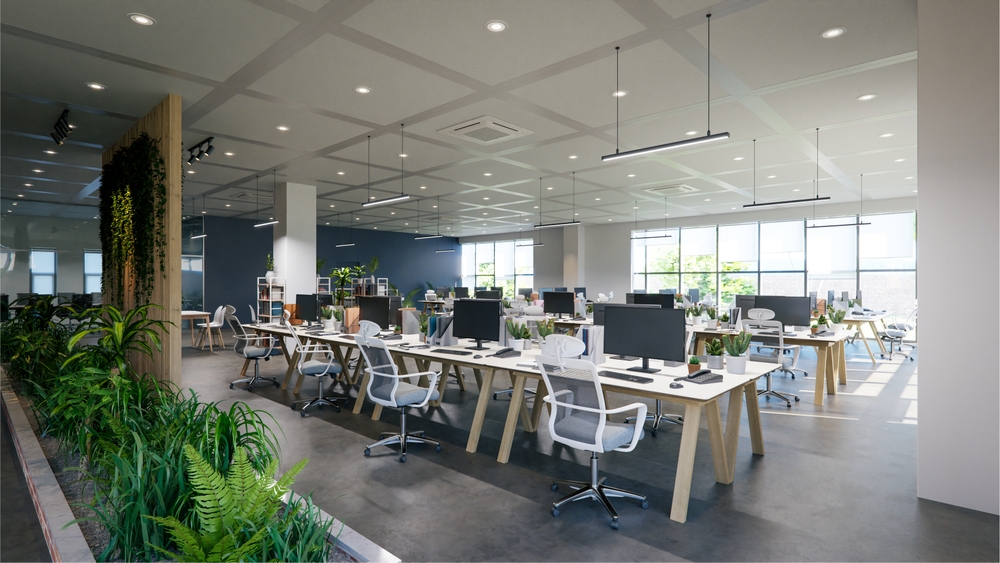
Coworking space furniture takes more abuse in a month than most corporate furniture sees in a year. Dozens of members share the same hot desks each week, lounge sofas host meetings all day, and phone booth doors open and close until late evening. Operators also have to open on a tight budget and keep the floor plan flexible as membership changes.
The Office Shop has helped Ontario organizations plan and furnish workspaces since 1996, and its Rentals, Used Products and Consultations service gives new operators a lower-cost way to open. This guide explains how The Office Shop approaches coworking projects differently.
The Office Shop is an independently owned commercial office furniture dealer headquartered at 366 Denison St in Markham, Ontario, supporting coworking operators across the Greater Toronto Area, Ontario, and the rest of Canada.
→ Opening a coworking space and worried your furniture budget won’t stretch far enough? Talk to The Office Shop about a layout and furniture plan built around your membership model.
Why Does Coworking Space Furniture Wear Out Faster Than Regular Office Furniture?
Most operators find out the hard way that a shared workspace is a different environment than a corporate office. Here is what usually goes wrong with coworking space furniture.
Hot desks get used by many different people. In a corporate office, one employee adjusts a chair once and leaves it alone. In a coworking space, the same desk might host ten different members in a week. Each of them raises the chair, rolls it across the floor, leans on the work surface, and plugs in a laptop. Hardware loosens, edges chip, and adjustment levers fail long before they would in a private office.
Residential and big box furniture can’t handle the traffic. Many new operators try to save money by ordering consumer furniture online. It looks fine on opening day. Within a year, sofa cushions flatten, laminate peels, and chair bases crack. Replacing it all costs more than buying commercial grade coworking space furniture would have in the first place.
Members judge the space by what they sit on. People choose a coworking membership the way they choose a gym. They tour, they sit down, and they decide. A wobbly table or a stained lounge chair tells a prospective member the operator cuts corners, and that member signs up somewhere else.
The membership mix changes constantly. A space that opens with mostly hot desk members may need more dedicated desks and private offices six months later. A startup team of eight might suddenly want a block of desks together. Furniture that can’t be moved or reconfigured locks the operator into a layout that no longer matches demand.
Noise becomes the top complaint. Open coworking floors fill up with phone calls and video meetings. Without phone booths, acoustic seating, and a sensible zone plan, members who need focus time leave for a quieter competitor.
Upfront costs arrive before revenue does. A new operator signs a lease, pays for the buildout, and then faces a furniture bill before a single member has paid. Buying everything new at full price can drain the cash a new space needs to get through its first few months.
→ Is worn or mismatched furniture costing you memberships? Ask The Office Shop to walk your current space and recommend what to replace first.
How The Office Shop Approaches Coworking Space Furniture Differently
The Office Shop treats a coworking project as a business plan with furniture attached. Before recommending a single desk, the team asks how the operator earns revenue. How many hot desk memberships are planned? How many dedicated desks and private offices? How many hours of meeting room time will be sold each week? Those answers drive the layout and the coworking space furniture specification.
The Office Shop starts with space planning instead of a catalog. Through its Space Planning and Design service, the team produces CAD layouts and 3D drawings that show member capacity, walkways, and zone placement before anything is ordered. Operators can see exactly how many desks fit, where phone booths should go, and how the lounge connects to the kitchen and front entrance.
The Office Shop sources from more than 60 manufacturers. As an independent dealer with premium dealer status with Global Furniture Group and Groupe Lacasse, The Office Shop isn’t tied to one brand. That lets the team match each zone to the right product and price point. A lounge might use one manufacturer’s seating while the hot desk area uses another’s benching.
The Office Shop mixes new, used, and rental furniture in one plan. Many dealers only sell new furniture. The Office Shop can combine new pieces in the areas members see most with used or rental pieces in private offices, storage rooms, and overflow areas. The opening budget stays under control, and the space still looks consistent.
The Office Shop delivers and installs everything. The same team that plans the space coordinates delivery and handles installation and reconfiguration, so the operator deals with one company instead of a supplier, a freight company, and a separate installation crew.
The Office Shop stays involved after opening day. Coworking spaces change as they grow. When the membership mix shifts, The Office Shop can reconfigure desks, add booths, or replace rental coworking space furniture with owned pieces.
→ Unsure how many members your floor plan can actually hold? Book a space planning consultation with The Office Shop and see your layout before you buy.
How The Office Shop Plans Hot Desks and Dedicated Desks for Coworking Members
Hot desks are the entry point for most coworking memberships, and they usually make up the largest share of seats on the floor. The Office Shop plans these areas for density and comfort at the same time, because packing in desks that members find uncomfortable hurts renewal rates.
For open hot desk zones, The Office Shop often recommends benching systems. A shared spine carries power and data down the length of the bench, so members can plug in without cords crossing the floor. Benching also fits more seats into the same footprint than individual desks, which matters when rent is calculated by the square foot.
Dedicated desk members pay more and expect more. The Office Shop typically specifies individual workstations with lockable storage, a privacy screen, and room for a monitor. Some operators offer height adjustable desks as a premium upgrade, which gives members a clear reason to move from a hot desk plan to a dedicated one.
Seating deserves the most attention in this part of the coworking space furniture plan. A hot desk chair gets adjusted by many different people every week, so The Office Shop looks for task chairs with simple controls, sturdy mechanisms, and replaceable parts. The Ergonomic Solutions team helps operators pick chairs that fit a wide range of body types and can be adjusted in seconds without instructions.
Smaller details reduce wear and complaints over time. Protective edge banding on desks, wire management trays, power modules within easy reach, and personal lockers for hot desk members all keep the space looking cared for long after opening.
How The Office Shop Handles Phone Booths and Meeting Rooms in Shared Workspaces
Every coworking operator hears the same complaint eventually: someone is on a loud call next to someone trying to concentrate. Phone booths are one of the most requested amenities in shared workspaces, and they are also one of the first places operators try to cut costs.
The Office Shop helps operators decide how many booths a floor needs based on member count and the type of work members do. A space full of sales teams and consultants needs more booths than one that mostly serves writers and designers. Placement matters too. Booths work best near the open desk zones, where calls actually start, and away from the quiet focus area.
Not every acoustic problem needs a full booth, and that flexibility keeps coworking space furniture costs down. The Office Shop can specify high-back lounge seating, freestanding acoustic screens, and semi-enclosed pods that give members a place to take a short call at a lower cost per seat.
Meeting rooms are often a coworking space’s best source of revenue after memberships. The Office Shop furnishes them with durable conference tables, comfortable chairs that stack or nest, and space for screens and video conferencing equipment. A training room set up with mobile tables can convert into an event space and earn booking income on evenings and weekends.
→ Are members complaining about noise on your open floor? Ask The Office Shop which acoustic and phone booth options fit your layout and budget.

How The Office Shop Designs Lounge Zones That Members Actually Use
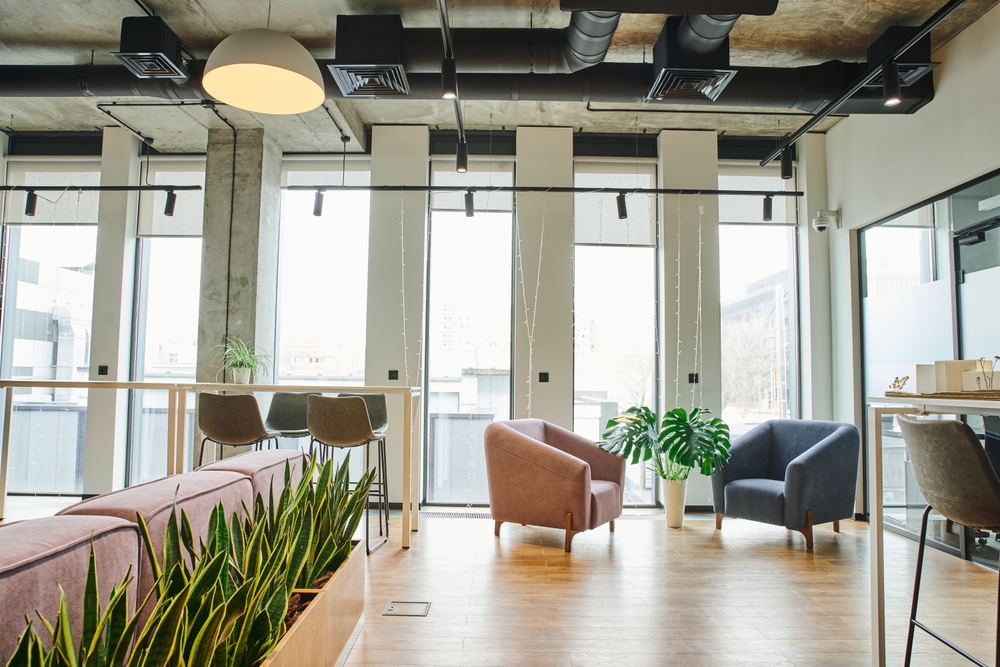
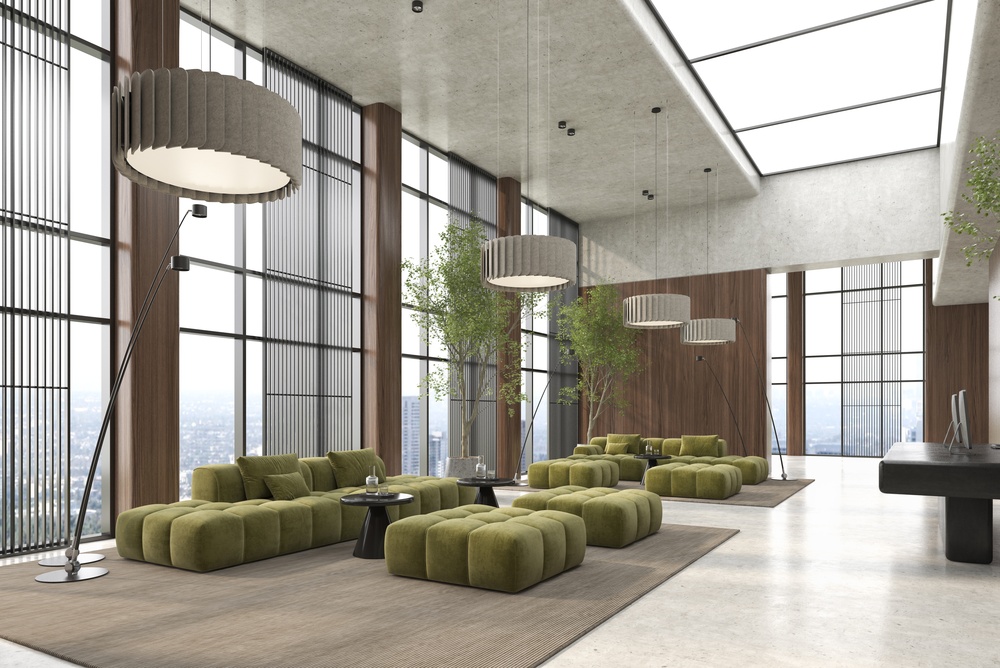
The lounge is where a coworking space sells itself. It is the first area prospects see on a tour, and it is where members take informal meetings, eat lunch, and get to know each other. It also takes the most punishment of any zone in the building.
The Office Shop plans lounges as working areas first. That means sofas and lounge chairs at a height people can comfortably work from, side tables big enough for a laptop and a coffee, and power outlets within reach of every seat. A lounge that looks great but has no outlets is usually empty by 10 a.m.
Upholstery choice matters more in the lounge than anywhere else in a coworking space furniture plan. The Office Shop helps operators choose commercial grade fabrics and finishes that resist stains and clean easily. Darker colors and patterned fabrics hide daily wear far longer than light, solid colors. Mixing seating heights, with a counter-height bar along a window and lower sofas near the center, gives members different ways to use the same square footage.
For more seating types and layout ideas, The Office Shop’s guide to office lounge furniture covers options that work in both shared and corporate settings.
Why The Office Shop Selects Coworking Space Furniture Built for Heavy Daily Use
Durability is the biggest factor in the long-term cost of coworking space furniture. A cheap desk that needs replacing in two years costs more than a commercial grade desk that lasts ten. The Office Shop helps operators look at furniture as a cost per year of use rather than a price tag on an invoice.
When selecting pieces for a coworking environment, the team checks for:
- Commercial grade construction designed for multiple users and long daily use, tested to recognized industry standards such as BIFMA.
- Work surfaces with high-pressure laminate and sturdy edge banding that resist chips and scratches.
- Chair mechanisms and casters that are simple, strong, and easy to replace when they wear out.
- Upholstery that can be cleaned or recovered instead of thrown away.
- Manufacturer warranties that cover high-use, multi-user applications.
- Product lines that will still be available later, so operators can add matching pieces as the space grows.
The Office Shop’s long relationships with Canadian manufacturers such as Global Furniture Group and Groupe Lacasse help here. Operators get access to product lines built for commercial use, and The Office Shop can help source replacement parts when something does wear out.
→ Tired of replacing chairs and tables every year? Ask The Office Shop to compare the long-term cost of commercial grade furniture against what you’re buying now.
How The Office Shop Helps Coworking Operators Lower Costs With Rental and Used Furniture
Furniture is one of the largest costs a new coworking operator faces before opening. The Office Shop’s rentals and used products service gives operators more options than paying full price for brand new coworking space furniture in every corner of the floor.
Rental furniture keeps cash in the business during the first months. A new space often doesn’t know its final membership mix until it has been open for six months or longer. Renting part of the furniture lets an operator open on schedule, test the layout with real members, and buy what works later. The Office Shop’s rental furniture also suits pop-up spaces, short-term leases, and expansion floors that need to open quickly.
Used furniture stretches the budget further. The Office Shop offers quality used office furniture at a fraction of the cost of new. Used workstations, filing, and storage work well in private offices, back-of-house areas, and dedicated desk zones. Because used commercial furniture was built for office use in the first place, it usually holds up far better than new residential furniture at a similar price.
A blended plan often makes the most sense. The Office Shop typically recommends putting new furniture where members and prospects spend the most time, such as the reception area, the lounge, and the hot desk zone. Used and rental pieces fill private offices, storage rooms, and overflow seating. Members see a finished, consistent space, and the operator saves money in the places that matter less on a tour.
Operators can grow into ownership. As a space proves its numbers, the operator can replace rental pieces with owned furniture or add new matching pieces when expanding to another floor. The Office Shop plans with that growth in mind, so later purchases fit with what is already in place.
For a first-time operator, this approach can be the difference between opening on schedule and waiting months to raise the full furniture budget. The Office Shop’s office furniture buying guide explains in more detail how new, used, and rental options compare.
→ Does your opening budget fall short of what a fully new fit-out would cost? Ask The Office Shop to price a blended plan with new, used, and rental furniture.
How The Office Shop Uses Modular Furniture to Keep Coworking Spaces Flexible
Coworking spaces rarely look the same two years after opening. The Office Shop plans for that by recommending modular office furniture that can be rearranged, expanded, or converted without buying a whole new set. Coworking space furniture that can’t move with the business quickly becomes dead weight.
Benching systems can grow by adding seats to an existing run. Mobile tables on locking casters let a training room become an event space in an afternoon. Modular workstation panels and freestanding screens let an operator create semi-private team areas when a growing startup wants its own corner. Mobile pedestals and storage carts can follow members to new seats.
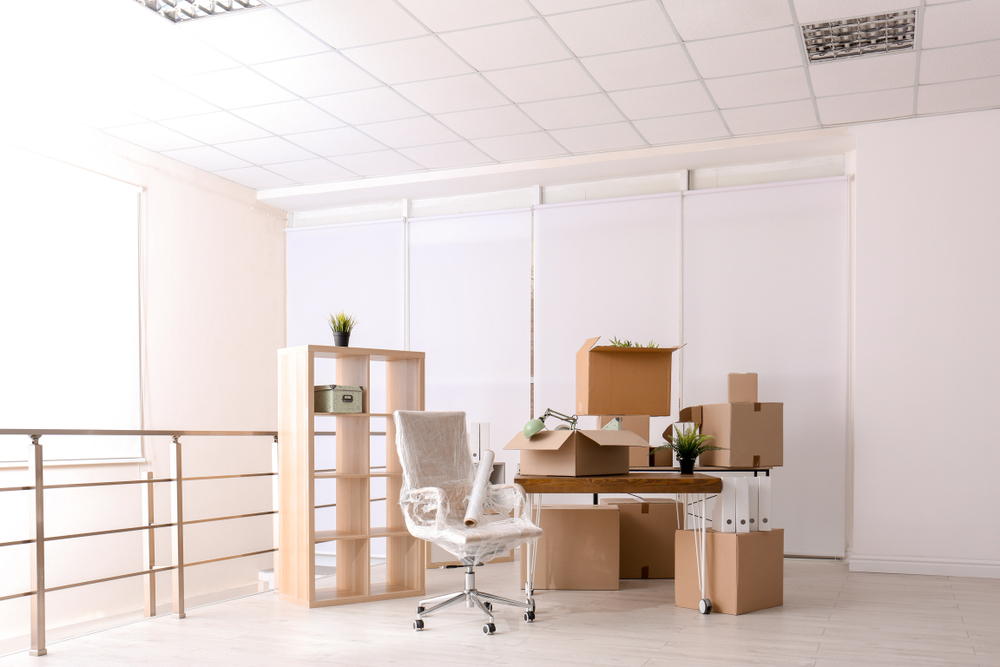
When the floor plan needs to change, The Office Shop’s installation team handles the reconfiguration, so operators don’t need to hire a separate crew or close the space for long. Operators moving to a larger location can rely on The Office Shop’s Moving and Relocation Management service, and the team’s office relocation checklist outlines what to plan before moving day.
Where The Office Shop Supports Coworking Operators Across Ontario
The Office Shop is based in Markham and supports coworking projects throughout Toronto and North York, along with Mississauga, Vaughan, Brampton, Oakville, Burlington, Bolton, and Newmarket. Beyond the GTA, the team works with operators in Ottawa, London, Kitchener/Waterloo, Barrie, and Sudbury, and it handles multi-location projects across Canada.
Operators with spaces in more than one city get the same planning process, coworking space furniture standards, and installation team at every location. That consistency matters for brands that want each space to feel familiar to members who travel between them.

What Other Services Does The Office Shop Offer Coworking Operators?
Coworking space furniture is only one part of what The Office Shop provides. The team’s Office Furniture Consulting service helps operators set budgets, compare product options, and plan phased purchases. Ergonomic assessments help dedicated desk and private office members set up their workstations properly.
The Office Shop also furnishes the businesses that coworking members often grow into. Startups, technology companies, professional service firms, real estate firms, and construction companies regularly move from shared space into their own offices, and The Office Shop supplies commercial office furniture for those next steps. Colleges and universities running campus innovation hubs on a coworking model can work with the team’s educational institutions specialists. For more on choosing enclosed workstations as members scale up, the guide to office cubicles is a useful next read.
→ Planning a second location or a new floor? Ask The Office Shop how its consulting and project services can keep your next opening on schedule.
Coworking Space Furniture With The Office Shop
Coworking space furniture has to do more than look good on tour day. It needs to survive heavy shared use, adapt as the membership mix changes, and fit a budget that starts before revenue arrives.
The Office Shop has supported Ontario workplaces since 1996 with space planning, access to more than 60 manufacturers, installation, and a blend of new, used, and rental furniture that many dealers can’t offer. For operators, that means one partner for opening day, the first reconfiguration, and the next location.
→ Ready to open or upgrade your coworking space without overspending on furniture? Contact The Office Shop for a free consultation and a custom quote.
→ Follow The Office Shop on LinkedIn for more workplace planning ideas and project updates.
Coworking Space Furniture With The Office Shop: FAQs
What makes The Office Shop different from other coworking furniture suppliers?
The Office Shop plans the space before it sells any coworking space furniture. The team builds CAD and 3D layouts around the operator’s membership model, sources from more than 60 manufacturers, and combines new, used, and rental pieces in a single plan. The same team handles delivery, installation, and later reconfiguration, so operators work with one company for the whole project.
Can The Office Shop help a new coworking operator open on a tight budget?
Yes. The Office Shop often recommends new furniture in high-visibility areas such as the lounge, reception, and hot desk zone, with used or rental furniture in private offices, storage, and overflow seating. This lowers the upfront cost while keeping the space consistent. As memberships grow, operators can replace rental pieces with owned furniture.
How does The Office Shop decide between new, used, and rental coworking space furniture?
The Office Shop looks at how each zone will be used, how visible it is to members and prospects, and how likely it is to change. Areas that shape first impressions usually get new furniture. Areas that may change after opening suit rental. Areas that need durability at a lower price, like private offices and storage, are good candidates for used commercial furniture.
Does The Office Shop design the coworking floor plan before recommending furniture?
Yes. The Office Shop’s Space Planning and Design service maps member capacity, walkways, phone booth placement, meeting rooms, and lounge zones before any furniture is ordered. Operators see how many desks fit and how members will move through the space, which helps them set membership pricing with real numbers.
Which furniture brands does The Office Shop work with for coworking spaces?
The Office Shop holds premium dealer status with Global Furniture Group and Groupe Lacasse and offers products from more than 60 manufacturers. That range lets the team match each coworking zone to the right product and budget instead of forcing one brand across the entire floor.
Can The Office Shop reconfigure our coworking space as membership changes?
Yes. The Office Shop recommends modular furniture that can be expanded or rearranged, and its installation team handles reconfiguration when the floor plan needs to change. Operators can add desks, create team areas, or convert rooms without hiring a separate crew. For larger moves, The Office Shop also manages office relocations.
Does The Office Shop supply phone booths and acoustic furniture for coworking spaces?
The Office Shop helps operators plan how many phone booths a floor needs and where to place them, then sources booths, pods, acoustic screens, and high-back seating through its manufacturer network. The team matches the acoustic plan to member count and work patterns so operators don’t overspend on booths they won’t fill.
Where is The Office Shop located, and which areas does it serve?
The Office Shop is headquartered at 366 Denison St, Markham, ON L3R 1B9, and can be reached at 905-305-9955. The team supports coworking operators in Toronto, North York, Markham, Mississauga, Vaughan, Brampton, Oakville, Burlington, Newmarket, Ottawa, London, Kitchener/Waterloo, Barrie, Sudbury, and across Canada.
Get A Free Office Furniture Consultation

Let's Talk with Our Experts
1-877-305-9955  or
or

Category
Recent Posts
Coworking Space Furniture: How The Office Shop Helps Operators Build Flexible, Durable Spaces
Design Services, Brochures & Guides
Oct 9 2026 

Office Furniture Reconfiguration: How The Office Shop Helps You Reuse What You Already Own
Design Services, Brochures & Guides
Oct 2 2026

Office Benching Systems: How The Office Shop Helps Teams Fit More People
Design Services, Brochures & Guides
Sep 25 2026
Office Relocation Checklist: How The Office Shop Keeps Your Move on Schedule
Design Services, Brochures & Guides
Sep 25 2026
[Find A Consultant]
We service all across Canada


Office Furniture Mississauga Ontario 


Office Furniture Brampton Ontario


Office Furniture Markham Ontario

Office Furniture North York Ontario



Office Furniture Hamilton Ontario

Office Furniture Scarborough Ontario

Office Furniture Etobicoke Ontario

Office Furniture Pickering Ontario

Office Furniture Ajax Ontario

Office Furniture Milton Ontario

Office Furniture Whitby Ontario

Office Furniture Richmond Hill Ontario

Office Furniture Oshawa Ontario

Aurora Office Furniture Ontario

Office Furniture Guelph Ontario

Office Furniture Cambridge Ontario

Office Furniture St. Catharines Ontario

Office Furniture Woodbridge Ontario
[FREE consultation]
Complete for a FREE consultation
with a furniture design specialist!
Links
Contact Us
 Call Us
905-305-9955
 Location
366 Denison St, Markham, ON L3R 1B9, Canada
Request Our Lookbook
SEND REQUEST
Sitemap | Copyright @ 2025 The Office Shop
Digital marketing and CRM solutions, engineered by Consultus Digital