

Talk To Our Experts
905-305-9955[Blogs]
Office Lounge Furniture Options: A Guide for Toronto, Markham and Mississauga Workplaces
Sep 4 2026
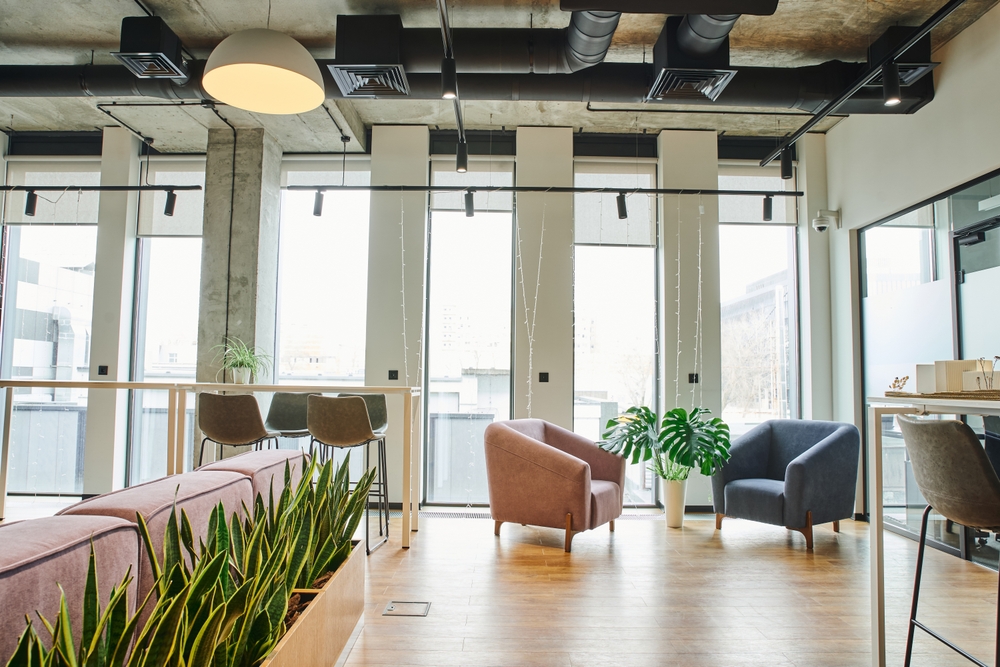
Choosing the right office lounge furniture is an important decision for businesses across the Greater Toronto Area. As hybrid schedules reshape how often people come into the office, companies are rethinking rows of desks in favor of spaces where employees actually want to spend time.
Office lounge furniture sits at the center of that shift, whether it’s a reception seating group, a breakout corner, or a full collaborative lounge.
This guide walks through the main types of office lounge furniture, where each option works best, what materials hold up in a commercial setting, and how businesses in Toronto, Markham and Mississauga can plan a lounge space that supports both comfort and productivity.
Why Office Lounge Furniture Has Become a Workplace Priority
A few years ago, lounge seating was mostly reserved for reception areas. Today, it shows up throughout the office, from breakout corners near the kitchen to informal meeting nooks tucked between workstations. This change reflects how people actually use the office now.
When employees come in a few days a week instead of five, the office needs to offer something home cannot. That usually means space for connection, spontaneous conversation, and a change of scenery from a desk.
Comfortable seating supports all three. It also gives teams a low-pressure setting for the kind of quick check-ins and brainstorming sessions that rarely happen in a formal boardroom.
There’s a practical side to this too. Businesses are moving away from rigid, single-purpose rooms and toward furniture that can shift as needs change. A well-chosen lounge grouping can serve as an overflow meeting space one day and a quiet reading corner the next, without any construction or renovation involved.
For facilities managers and office leaders in Ontario, this shift matters because it changes how furniture budgets get allocated. Lounge seating is no longer a small line item near the front desk. It’s becoming a meaningful part of the overall office furniture plan, alongside workstations, boardroom furniture, and ergonomic seating.
Companies that get this right tend to see a real return. Teams report better morale, easier collaboration, and stronger first impressions with clients and job candidates who walk through a well-furnished, comfortable office.
There’s also a recruitment angle worth mentioning. Job candidates touring an office often form an opinion within the first few minutes, long before they sit down for an interview. A tired reception area with mismatched chairs sends a different message than a lounge space that feels current and considered.
For businesses competing for talent in a tight labor market, that first impression can influence whether a strong candidate accepts an offer.
Office lounge furniture also supports wellness in a more direct way than people sometimes realize. Sitting at a desk for hours at a stretch takes a physical toll, and a short break on a different type of seating, with a change in posture and surroundings, gives employees a genuine mental reset.
Many workplace wellness programs now factor breakout and lounge areas into their overall approach, alongside more traditional initiatives like standing desks or wellness rooms.
→ Planning to redesign an underused area of your office? Contact The Office Shop today to talk through layout options and furniture that fits your space.
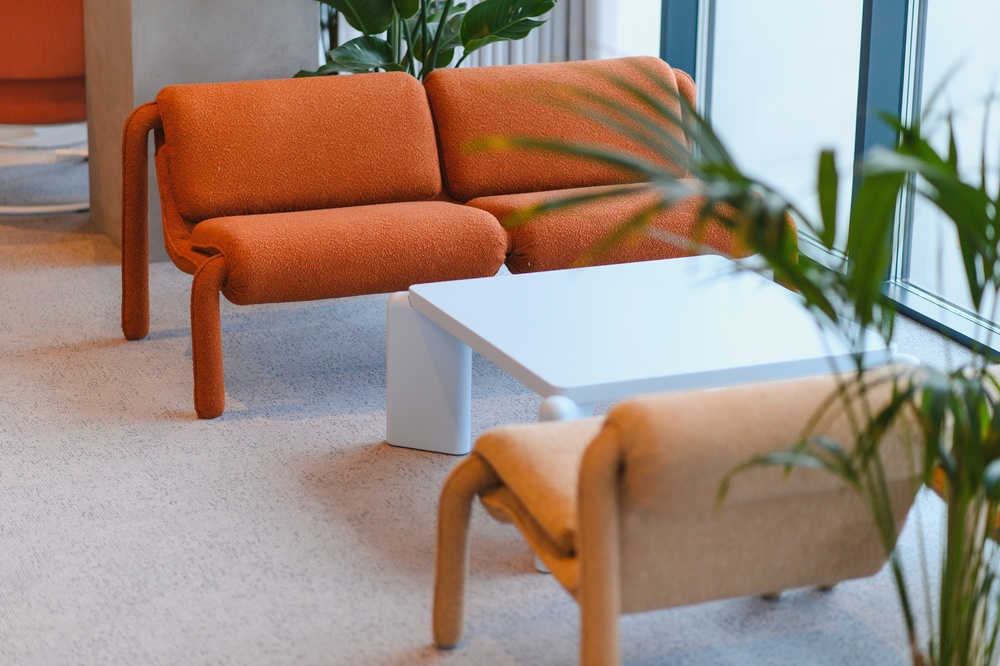
Types of Office Lounge Furniture for Modern Offices
Office lounge furniture covers a wide range of pieces, and the right combination depends on the space, the number of people using it, and how the area will function day to day. Here are the main categories worth considering.
Modular Lounge Sofas and Sectionals
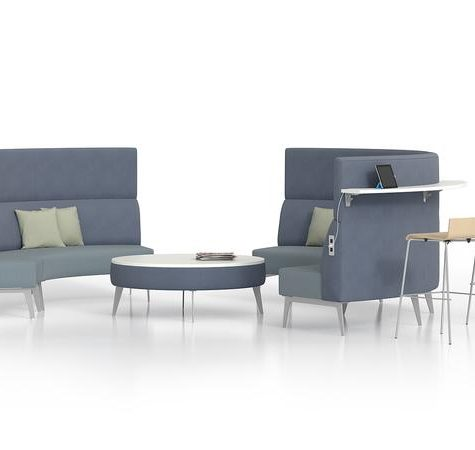
Modular seating has become one of the most practical choices for commercial spaces because it can be reconfigured without buying new furniture.
A sectional built from individual modules can form an L-shape for a breakout area, split into two smaller groupings for a larger open floor, or expand as headcount grows.
This flexibility matters for growing businesses or those that expect to reconfigure their space within a few years. Instead of committing to a fixed sofa shape, modular pieces let facilities teams adjust the layout as the organization’s needs change, without a full furniture replacement.
Recommended products:
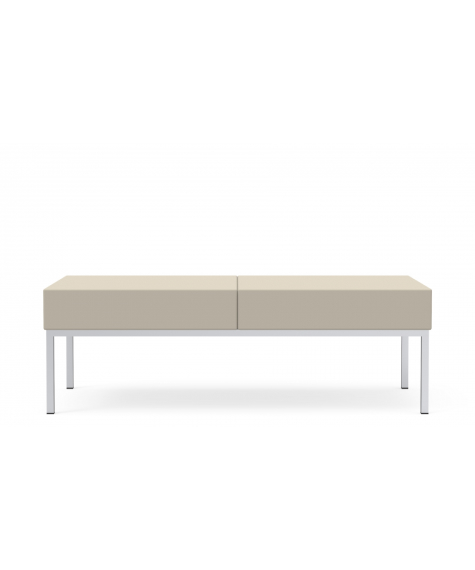
Ballara™ Benches
Groupe Lacasse Hip Hop Modular Seating
Lounge Chairs and Armchairs
Individual lounge chairs work well in spaces where a full sofa would feel too large, such as smaller breakout nooks, executive offices, or reception areas with limited square footage.
They’re also useful for creating a variety of seating heights and postures within one zone, which helps the space feel less uniform and more inviting.
Many commercial lounge chairs now include swivel bases or slight recline, giving employees a bit more freedom of movement during informal conversations or calls.
Recommended products:
Groupe Lacasse Orsay Lounge Chair
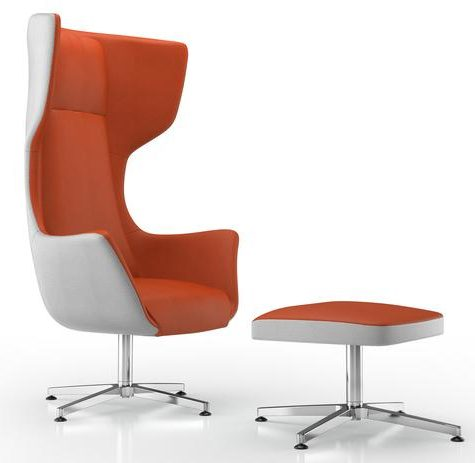
Keilhauer Cahoots Lounge and Side Chairs
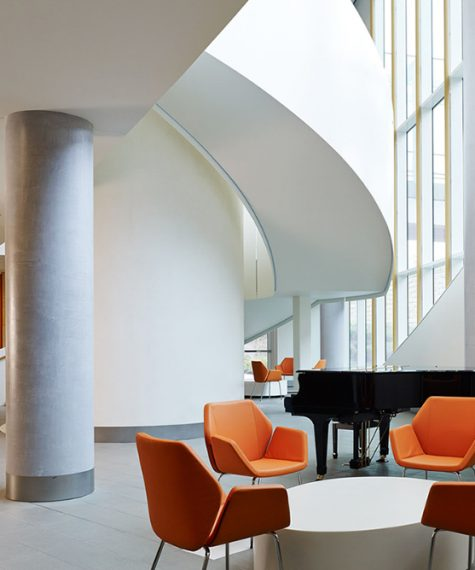
Ottomans, Poufs and Occasional Seating
Ottomans and poufs add flexible, low-cost seating that can be pulled into a group conversation or used as a footrest during a quiet break. They’re particularly useful in spaces that need to flex between a handful of people and a larger informal gathering, since they take up less floor space than additional chairs.
Recommended products:
Groupe Lacasse Pouf Modular Seating
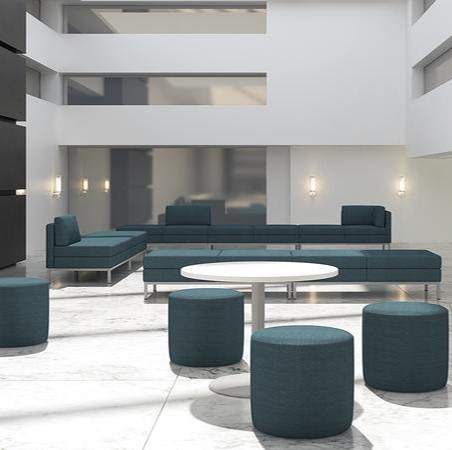
Vitrola Seating
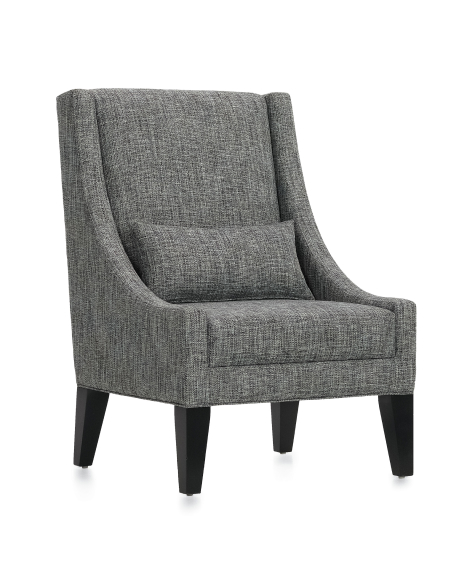
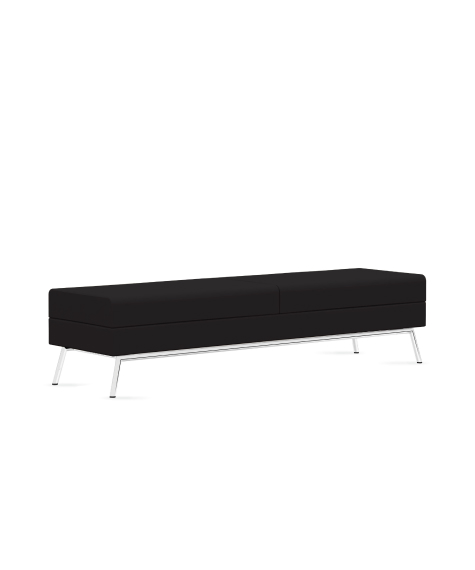
Coffee Tables and Side Tables
A lounge grouping isn’t complete without a surface for laptops, coffee cups, or meeting notes. Coffee tables anchor a seating arrangement visually, while side tables placed next to individual chairs give employees somewhere to set a device without leaving their seat. Look for tables with rounded edges and durable finishes, since lounge areas tend to see more casual use than a formal boardroom.
Recommended product:
Wind Linear™
Acoustic Lounge Seating and Pods
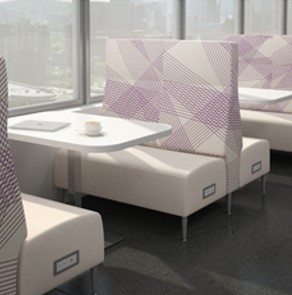
Open lounge areas can get loud, especially in offices with an open floor plan. Acoustic lounge seating, including high-backed chairs, upholstered pods, and partially enclosed sofas, helps manage sound without requiring a fully enclosed room.
This is a practical middle ground for businesses that want the openness of a lounge area but still need to protect focus time for employees working nearby.
Some manufacturers now build sound-absorbing felt panels directly into the back and sides of lounge chairs, which reduces echo without changing the overall footprint of the piece.
This kind of furniture-based acoustic treatment is often more cost-effective than renovating a space to add sound-dampening walls or ceiling panels, and it can usually be installed and adjusted without any construction downtime.
Recommended product:
Krug Zola Privacy Lounge Seating
Multipurpose and Height-Flexible Pieces
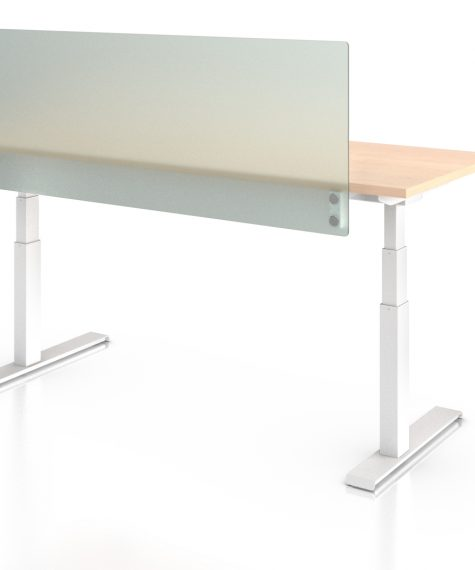
A newer category worth mentioning is furniture designed to bridge lounge comfort with light work functionality, such as lounge chairs paired with adjustable-height tables that sit somewhere between a coffee table and a standard desk.
These pieces let employees keep a laptop open at a workable height while still sitting in a relaxed, lounge-style chair, which suits the kind of semi-formal work that happens outside a traditional desk setup.
Recommended product:
Global Contract Free Fit Height Adjustable Table
→ Not sure which lounge furniture style fits your floor plan? Reach out to The Office Shop for a consultation and product recommendations tailored to your space.
Where Office Lounge Furniture Works Best
Office lounge furniture isn’t limited to one part of the building. Different zones call for different pieces, and understanding these distinctions helps avoid a mismatched or underused space.
Reception and Waiting Areas
This is the most traditional use of lounge furniture, and it still matters. A reception area is often the first physical impression a client, candidate, or vendor gets of a company. Furniture here should balance comfort with a polished, professional look.
Coordinated seating, a well-placed coffee table, and enough spacing between chairs for privacy all contribute to a stronger first impression.
Breakout and Collaboration Zones
Breakout areas tend to see the heaviest daily use, since employees rely on them for informal meetings, quick calls, and mental breaks throughout the day.
Furniture in these zones needs to hold up to frequent use while still feeling relaxed. Modular sofas, mixed seating heights, and durable coffee tables tend to perform well here.
Executive Lounges and Boardroom-Adjacent Spaces
Some organizations set aside a smaller lounge area near executive offices or boardrooms for informal conversations before or after meetings. These spaces often call for a higher-end finish, such as leather or premium upholstery, paired with a quieter, more private layout than a general breakout zone.
Matching furniture to its intended zone is one of the most overlooked steps in office planning. A piece that works well in a busy breakout corner might feel out of place in a formal reception area, and vice versa.
→ Redesigning your reception area or adding a breakout zone? Contact The Office Shop to discuss space planning options for your office.
Choosing Materials That Hold Up in a Commercial Setting
Residential furniture rarely survives long in a commercial environment. Office lounge furniture sees far more daily use than a living room sofa, so material choice matters more than it might seem at first.
Commercial-grade fabrics are tested for abrasion resistance, usually measured in double rubs, and rated for the kind of continuous use an office lounge experiences. Performance fabrics and treated leathers resist stains and are easier to clean, which matters in shared spaces where food and drinks are common.
Frame construction is equally important. Hardwood or steel frames tend to outlast particleboard or lightweight composite frames, especially in high-traffic breakout areas. Foam density also affects how long a cushion keeps its shape. Higher-density foam costs more upfront but avoids the sagging that cheaper cushions develop within a year or two of regular use.
For businesses in healthcare, education, or hospitality settings, antimicrobial or easy-clean upholstery is worth prioritizing, since these environments require more frequent cleaning than a typical corporate office.
It’s also worth thinking about warranty coverage. Commercial furniture manufacturers typically offer longer warranties than residential brands because their products are built for continuous, multi-shift use. A shorter warranty is often a sign that the piece wasn’t designed with commercial environments in mind.
Businesses that want a deeper look at how furniture choices affect long-term value can review our guide on where to buy commercial office furniture, which covers supplier options and what to expect from pricing across different categories.
→ Concerned about furniture wearing out quickly in a high-traffic area? Contact The Office Shop for guidance on commercial-grade materials built for daily use.
Office Lounge Furniture for Toronto, Markham and Mississauga Businesses
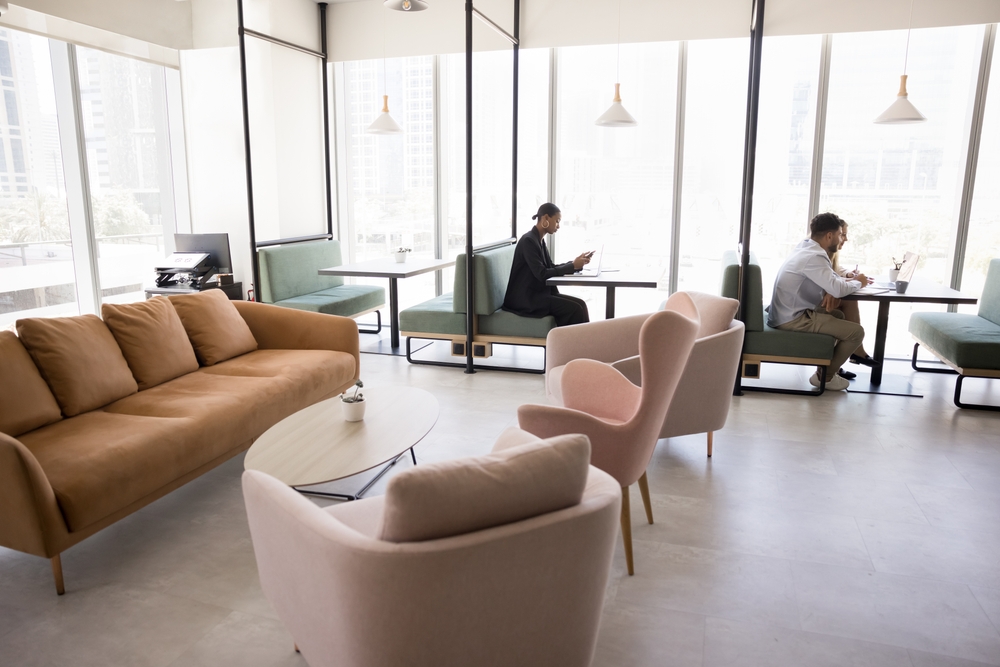
Local market conditions shape furniture decisions more than many businesses realize. Companies across Toronto, Markham, Mississauga, and the wider Greater Toronto Area face a mix of older commercial buildings, newer mixed-use developments, and a growing number of coworking-style offices, all of which come with different layout constraints.
In downtown Toronto, office footprints are often smaller and more expensive per square foot, which makes multifunctional lounge furniture especially valuable. A modular sectional that can double as overflow meeting seating gets more use out of limited space than a single-purpose sofa.
Markham and the surrounding areas, including Richmond Hill and Vaughan, tend to have a strong concentration of technology companies, professional services firms, and corporate headquarters, many of which are actively investing in collaborative lounge spaces to support hybrid teams and attract talent in a competitive hiring market.
Mississauga’s business base spans everything from logistics and manufacturing head offices to financial services firms, and lounge furniture needs vary accordingly. A manufacturing head office might prioritize a straightforward, durable breakout area for staff, while a financial services firm may lean toward a more polished, client-facing lounge near its boardrooms.
Across all three markets, the common thread is that businesses want furniture that looks intentional, not like an afterthought. Working with a supplier that understands the local commercial real estate landscape, including common floor plates, building restrictions, and delivery logistics in the GTA, tends to produce a smoother project than ordering furniture without local support.
Our overview of 10 innovative commercial office furniture options for growing offices includes several ideas relevant to companies expanding or relocating within these markets.
→ Looking for lounge furniture suited to your building’s layout in Toronto, Markham or Mississauga? Contact The Office Shop to schedule a walkthrough and consultation.
Budgeting for Office Lounge Furniture
Lounge furniture costs vary widely depending on materials, brand, and customization, so it helps to think in categories rather than assuming one price point applies across the board.
Entry-level lounge seating, often in vinyl or basic fabric with simpler frame construction, works for businesses that need functional seating on a tighter budget. This tier is common in smaller breakout corners or secondary spaces that see moderate use.
Mid-range lounge furniture typically includes better fabric options, sturdier frames, and modular configurability. This is where most GTA businesses land when furnishing a primary breakout area or a general-use reception space.
Premium lounge furniture, including leather upholstery, designer modular systems, and acoustic pods, tends to appear in executive areas, client-facing lounges, or flagship offices where the space itself is part of the company’s brand.
It’s worth building delivery, installation, and any custom configuration costs into the budget from the start. A quote that only reflects the furniture price can end up costing more once assembly, freight, and old furniture removal are added separately later in the project. Asking a supplier for a full breakdown before committing to an order helps avoid surprises.
Businesses planning a larger office furniture project, including lounge areas alongside workstations and meeting spaces, may also want to review options through The Office Shop’s rentals, used products and consultations for short-term or budget-conscious projects.
Timing also plays a role in budgeting. Businesses furnishing a lounge area as part of a larger relocation or renovation project often get better overall pricing by bundling the lounge order with workstation and boardroom furniture purchases, rather than treating it as a separate, smaller order later on. Suppliers can frequently offer better lead times and delivery coordination when everything ships and installs together, which also reduces the disruption of multiple installation visits.
→ Working with a defined furniture budget? Contact The Office Shop for a custom quote that breaks down pricing by category.

Common Mistakes to Avoid When Buying Office Lounge Furniture
A few recurring mistakes show up when businesses furnish lounge areas without a clear plan.
Buying residential furniture for a commercial space is one of the most common. Home furniture is rarely built for the daily wear of an office environment, and it often needs replacement within a year or two of heavy use.
Ignoring traffic flow is another frequent issue. Lounge groupings placed too close to walkways or doorways create bottlenecks, while furniture placed too far from natural gathering points, like a coffee station or window, often goes unused.
Overlooking acoustics can also undermine an otherwise well-designed space. Open lounge areas near workstations sometimes generate noise complaints once furnished, especially if the seating encourages longer conversations than the space was designed to absorb.
Finally, some businesses treat lounge furniture as a purely aesthetic choice, separate from the rest of the office furniture plan. Lounge pieces work best when they’re considered alongside seating, storage, and workstation decisions, not as an isolated purchase at the end of a project.
Our guide to commercial office furniture options for growing offices touches on several of these planning considerations in more detail, including how to sequence furniture decisions during a larger project.
→ Planning a full office furniture project and want to avoid costly missteps? Contact The Office Shop for expert guidance from the earliest planning stages.
Working With The Office Shop to Furnish Your Lounge Spaces
The Office Shop has been helping organizations across Ontario furnish productive, comfortable workplaces since 1996. For lounge furniture specifically, that means more than selling a sofa.
Our team helps businesses assess how a space will actually be used, recommends furniture suited to that use, and manages delivery and installation so the project runs smoothly from start to finish.
Because we work with more than 60 manufacturers, including Canadian partners like Global Furniture Group and Group Lacasse, we’re able to recommend lounge furniture across a wide range of price points and styles rather than pushing a single product line. This matters for businesses balancing budget constraints against the need for durable, commercial-grade furniture.
Our workplace consultants also support the broader planning that lounge furniture fits into, including space planning, layout optimization, and furniture selection for the rest of the office.
For businesses relocating, expanding, or renovating, this kind of coordinated planning tends to produce a more cohesive result than furnishing each area in isolation.
We serve organizations across corporate offices, professional services, healthcare, education, government, technology, and industrial sectors throughout Toronto, Markham, Mississauga, and the wider Greater Toronto Area, with project experience that spans single-room refreshes to full office build-outs.
Browse our current lounge seating collection to see available styles, or explore our full range of office seating options if you’re furnishing multiple areas of your workplace at once.
→ Ready to start planning your office lounge area? Contact The Office Shop today for a consultation with one of our workplace specialists.
Final Thoughts
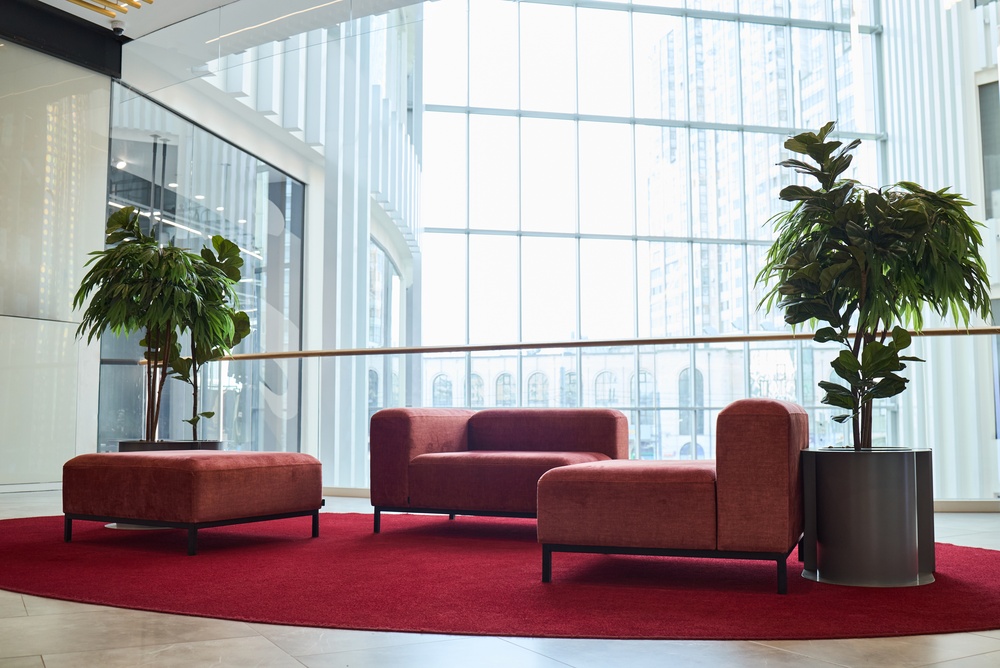
Office lounge furniture has moved from a reception-area afterthought to a genuine part of how businesses plan their workplaces. Choosing the right pieces means thinking through how a space will actually be used, what materials will hold up to daily traffic, and how the furniture fits into the broader office layout.
Whether the goal is a welcoming reception area, a functional breakout zone, or a polished executive lounge, the right furniture makes a measurable difference in how employees and visitors experience the space.
Businesses across Toronto, Markham, Mississauga, and the rest of the Greater Toronto Area looking for guidance on selecting, budgeting for, and installing office lounge furniture can rely on The Office Shop’s workplace consultants for practical, experience-based recommendations.
→ Contact our team today for a free consultation.
Office Lounge Furniture: FAQs
What is office lounge furniture used for?
Office lounge furniture is used to create informal, comfortable spaces within a workplace, including reception areas, breakout zones, and collaboration corners. It supports casual conversations, short breaks, and informal meetings that don’t require a formal boardroom setting.
How do I choose office lounge furniture for a small office?
For smaller offices, individual lounge chairs or compact modular pieces work better than large sectionals. Look for furniture that can be rearranged easily and consider pieces with a smaller footprint, such as armless chairs or nesting side tables, to maximize flexibility in limited square footage.
What materials work best for office lounge furniture in a busy workplace?
Commercial-grade performance fabrics or treated leathers tend to hold up best in high-traffic lounge areas. These materials resist stains, withstand frequent use, and are easier to clean than standard residential upholstery.
How much does office lounge furniture typically cost?
Costs vary widely based on materials and customization. Entry-level lounge seating is more budget-friendly and works for lighter-use areas, while mid-range and premium options, including leather upholstery and modular systems, cost more but tend to last longer under heavy daily use.
Can office lounge furniture double as meeting space?
Yes. Many businesses use lounge areas for informal meetings, especially when boardrooms are booked. Modular sofas paired with a coffee table or mobile side table can function as an overflow meeting space without requiring a dedicated room.
How often should office lounge furniture be replaced?
This depends on usage and material quality. Commercial-grade lounge furniture with quality frame construction and high-density foam can typically last eight to ten years or longer with regular use, while lower-quality pieces may need replacement much sooner.
Does The Office Shop offer office lounge furniture for businesses outside Toronto?
Yes. While headquartered in Markham, The Office Shop serves businesses throughout Ontario and across Canada, including Mississauga, Vaughan, Richmond Hill, and many other communities in the Greater Toronto Area and beyond.
Can The Office Shop help plan a full breakout space, not just supply furniture?
Yes. Beyond furniture selection, The Office Shop offers workspace planning, layout optimization, and installation services to help businesses design breakout and lounge areas that fit their space and support how their teams actually work.
Get A Free Office Furniture Consultation

Let's Talk with Our Experts
1-877-305-9955  or
or

Category
Recent Posts

Coworking Space Furniture: How The Office Shop Helps Operators Build Flexible, Durable Spaces
Design Services, Brochures & Guides
Oct 9 2026 
Office Furniture Reconfiguration: How The Office Shop Helps You Reuse What You Already Own
Design Services, Brochures & Guides
Oct 2 2026

Office Benching Systems: How The Office Shop Helps Teams Fit More People
Design Services, Brochures & Guides
Sep 25 2026
[Find A Consultant]
We service all across Canada


Office Furniture Mississauga Ontario 


Office Furniture Brampton Ontario


Office Furniture Markham Ontario

Office Furniture North York Ontario
Office Furniture Hamilton Ontario

Office Furniture Scarborough Ontario

Office Furniture Etobicoke Ontario
Office Furniture Pickering Ontario

Office Furniture Ajax Ontario
Office Furniture Milton Ontario
Office Furniture Whitby Ontario
Office Furniture Richmond Hill Ontario
Office Furniture Oshawa Ontario
Aurora Office Furniture Ontario

Office Furniture Guelph Ontario

Office Furniture Cambridge Ontario

Office Furniture St. Catharines Ontario

Office Furniture Woodbridge Ontario
[FREE consultation]
Complete for a FREE consultation
with a furniture design specialist!
Links
Contact Us
 Call Us
905-305-9955
 Location
366 Denison St, Markham, ON L3R 1B9, Canada
Request Our Lookbook
SEND REQUEST
Sitemap | Copyright @ 2025 The Office Shop
Digital marketing and CRM solutions, engineered by Consultus Digital